Microscope: Types, Applications, and How to Choose the Right Microscope for Your Laboratory
Microscope: Types, Applications, and How to Choose the Right Microscope for Your Laboratory

Ujjwal Bahl
•March 8, 2026
Microscope: Types, Applications, and How to Choose the Right Microscope for Your Laboratory
Microscopes are essential scientific instruments used to observe objects that are too small to be seen with the naked eye. From biological research to industrial inspection, microscopes play a vital role in laboratories, educational institutions, hospitals, and manufacturing industries.
With advancements in optical technology, modern microscopes provide high-resolution imaging, digital integration, and enhanced illumination, making them indispensable tools in research and quality control.
What is a Microscope?
A microscope is an optical device designed to magnify small objects and reveal fine structural details. By using a system of lenses and illumination, microscopes allow scientists, engineers, and students to study microscopic specimens such as cells, bacteria, metals, and electronic components.
Today, microscopes are widely used in fields such as biology, metallurgy, material science, electronics, and medical diagnostics.
Types of Microscopes
Understanding the different types of microscopes helps in selecting the right instrument for specific applications.
1. Compound Microscope
Compound microscopes are the most commonly used microscopes in laboratories and educational institutions. They use multiple lenses to achieve high magnification and are ideal for observing biological specimens such as cells, tissues, and microorganisms.
2. Stereo Microscope
Stereo microscopes provide a three-dimensional view of specimens and are widely used for dissections, circuit board inspections, and precision assembly work.
3. Metallurgical Microscope
Metallurgical microscopes are specially designed to study the microstructure of metals and alloys. These microscopes are commonly used in metallurgy laboratories, manufacturing industries, and material research centers.
4. Digital Microscope
Digital microscopes allow users to capture images and videos directly on computers or displays. These microscopes are widely used for documentation, research, and industrial inspection.
5. Inverted Microscope
Inverted microscopes are commonly used in cell culture research, microbiology labs, and medical laboratories, where specimens are observed from below the stage.
Applications of Microscopes
Microscopes are used across many industries and scientific fields.
Medical and Biological Research
Microscopes help researchers study microorganisms, cells, and tissues. They are essential for disease diagnosis, microbiology research, and medical testing.
Industrial Quality Control
In manufacturing industries, microscopes are used to inspect materials, detect defects, and ensure product quality.
Metallurgical Analysis
Metallurgical microscopes are widely used to analyze metal grain structures, welding quality, and alloy composition.
Electronics Inspection
Microscopes play an important role in the inspection of printed circuit boards (PCB), semiconductor components, and microelectronics.
Education and Training
Microscopes are fundamental tools in schools and universities for teaching biology, microbiology, and material science.
Key Features of Modern Microscopes
Modern microscopes are designed with advanced features that improve accuracy and ease of use.
- High-quality optical lenses for clear imaging
- LED illumination for energy efficiency
- Ergonomic design for comfortable operation
- Multiple objective magnification options
- Digital camera compatibility for image capture
- Precision focusing mechanisms
These features make microscopes more powerful and reliable for laboratory and industrial use.
How to Choose the Right Microscope
When selecting a microscope, consider the following factors:
- Application – biological, metallurgical, or industrial inspection
- Magnification range required
- Optical quality and resolution
- Lighting system (LED or Halogen)
- Camera or digital imaging requirements
- Build quality and durability
Choosing a reliable microscope from a trusted manufacturer ensures better performance and long-term usability.
Conclusion
Microscopes are indispensable tools in modern science, research, and industrial inspection. They allow professionals to explore the microscopic world with precision and clarity. With continuous advancements in optical technology, microscopes are becoming more powerful, efficient, and accessible across various industries.
Whether used in laboratories, educational institutions, or manufacturing units, microscopes continue to drive innovation and scientific discovery.
 Article
The Ultimate Guide to Microscopes: Types, Uses & Buying Tips
Ujjwal Bahl
•April 11, 2026
 Article
List of Top 10 Laboratory Microscope Suppliers in India
Pooja
•December 26, 2025
 Article
Benefits of Microscope in Malaria Diagnosis
Pooja
•December 26, 2025
 Article
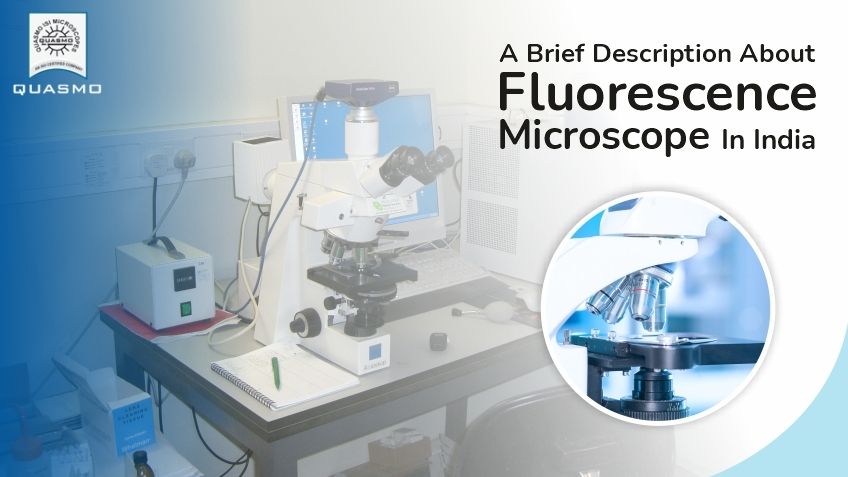
A Brief Description about Fluorescence Microscope in India
Pooja
•December 26, 2025
Insights from our latest blogs
Stay updated with the latest trends, innovations, and expert insights in the manufacturing and industrial sectors




Any question or remarks? Just
write us a message!
Subscribe to our Latest News
Join our mailing list and get the latest Quasmo news, insights, updates, and exclusive articles delivered to your inbox.