The Ultimate Guide to Microscopes: Types, Uses & Buying Tips
The Ultimate Guide to Microscopes: Types, Uses & Buying Tips

Ujjwal Bahl
•April 11, 2026
The Ultimate Guide to Microscopes: Types, Uses & Buying Tips
Introduction
Microscopes play a crucial role in science, education, medical research, and industrial applications. Whether you're a student, researcher, or laboratory professional, choosing the right microscope can significantly impact your work quality and accuracy.
In this guide, we’ll explore different types of microscopes, their uses, and how to select the best one for your needs.
What is a Microscope?
A microscope is an optical instrument used to magnify small objects that are not visible to the naked eye. It allows users to observe fine details in biological samples, materials, and structures.
Types of Microscopes
1. Compound Microscope
- Most commonly used in schools and labs
- Uses multiple lenses for high magnification
- Ideal for viewing cells, bacteria, and tissues
2. Stereo (Dissecting) Microscope
- Provides a 3D view of objects
- Used for larger specimens like insects, plants, and circuits
- Lower magnification but better depth perception
3. Metallurgical Microscope
- Designed for industrial and material analysis
- Used to examine metals, alloys, and coatings
- Ideal for quality control and manufacturing
4. Digital Microscope
- Connects to a computer or screen
- Captures images and videos
- Perfect for documentation and presentations
5. Inverted Microscope
- Used for observing samples in petri dishes
- Common in medical and biological labs
- Ideal for live cell imaging
Applications of Microscopes
Microscopes are widely used in:
- Medical Laboratories – Blood tests, pathology, microbiology
- Education – Schools, colleges, training institutes
- Industrial Inspection – Metal analysis, electronics inspection
- Research & Development – Biotechnology, pharmaceuticals
- Quality Control – Manufacturing and production units
How to Choose the Right Microscope
Choosing the right microscope depends on your application. Here are some key factors:
Magnification
- Basic use: 40x–400x
- Advanced research: 1000x or more
Optical Quality
- Look for high-quality lenses for clear images
- Achromatic or plan lenses improve clarity
Illumination
- LED illumination is energy-efficient and long-lasting
- Halogen provides brighter light for advanced work
Build Quality
- Durable metal body ensures long-term use
- Smooth focusing knobs improve usability
Digital Features
- Camera compatibility for image capture
- Software integration for measurements
Why Quality Matters in Microscopes
A high-quality microscope ensures:
- Accurate observations
- Better image clarity
- Long-term reliability
- Reduced maintenance costs
Investing in a reliable microscope enhances productivity and research outcomes.
Why Choose Us?
At Quality Scientific & Mechanical Works, we provide:
- High-performance microscopes
- Precision engineering
- Competitive pricing
- Reliable after-sales support
- Customized solutions for labs and industries
Conclusion
Microscopes are essential tools across multiple industries. Understanding their types and features helps you make an informed decision. Whether for education, research, or industrial use, selecting the right microscope can elevate your work to the next level.
 Article
Microscope: Types, Applications, and How to Choose the Right Microscope for Your Laboratory
Ujjwal Bahl
•March 8, 2026
 Article
List of Top 10 Laboratory Microscope Suppliers in India
Pooja
•December 26, 2025
 Article
Benefits of Microscope in Malaria Diagnosis
Pooja
•December 26, 2025
 Article
A Brief Description about Fluorescence Microscope in India
Pooja
•December 26, 2025
Insights from our latest blogs
Stay updated with the latest trends, innovations, and expert insights in the manufacturing and industrial sectors
March 8, 2026
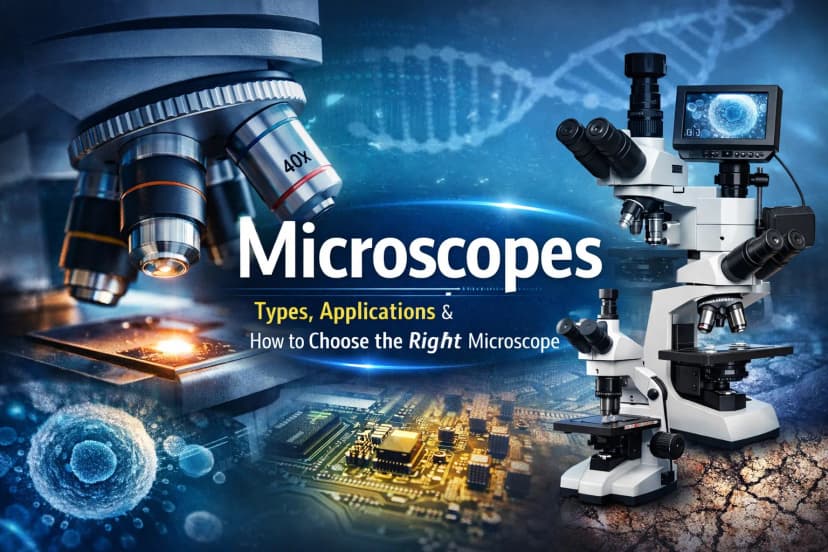
Microscope: Types, Applications, and How to Choose the Right Microscope for Your Laboratory

December 26, 2025
List of Top 10 Laboratory Microscope Suppliers in India

December 26, 2025
Benefits of Microscope in Malaria Diagnosis
December 26, 2025
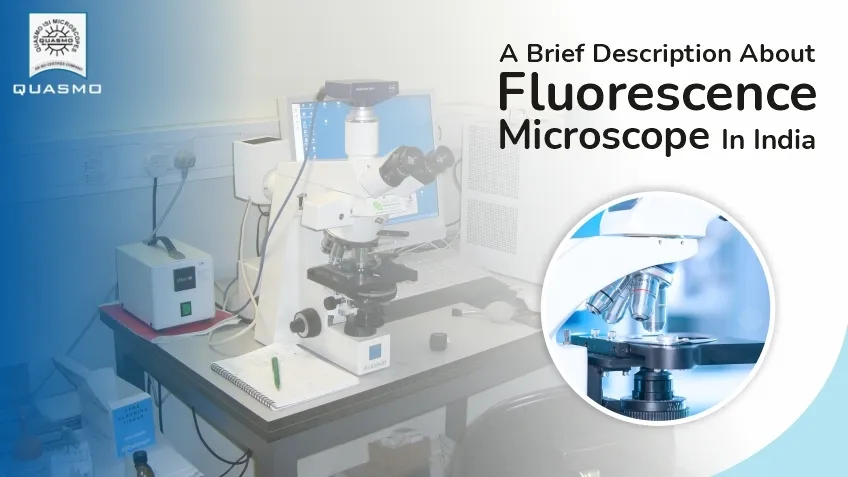
A Brief Description about Fluorescence Microscope in India

Any question or remarks? Just
write us a message!
Subscribe to our Latest News
Join our mailing list and get the latest Quasmo news, insights, updates, and exclusive articles delivered to your inbox.